 Login with Google
 Signin with Apple
Push Ups
The Top Resource For
Push Ups
Push-ups are one of the 4 core exercises of Global Fast Fit along with squats, plank leg lifts, and running.
Global Fast Fit Highlights
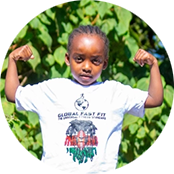
Anita - 5 - Kenya - 15 Consecutive Push Ups In GFF Routine
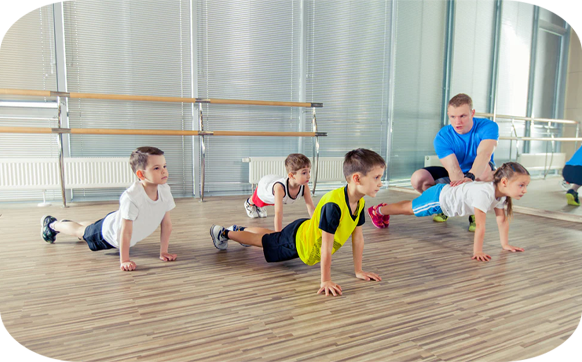
The youngest Global Fast Fit competitor, Anita started doing push ups at 4 years old and is already getting certified Global Fast Fit Scores.

Martin Turk - 78 - USA - 11 Consecutive Push Ups In post surgery
The oldest Global Fast Fit competitor, Martin has used a modified version of Global Fast Fit in his daily routine to improvement movement and functionality as a post surgery recovery user.
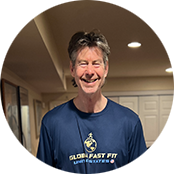
John F. Groom - 63 - USA - 72 Consecutive Push Ups
Founder and record holder for the 60+ age group, John has proven to be a top contender for max consecutive push ups.
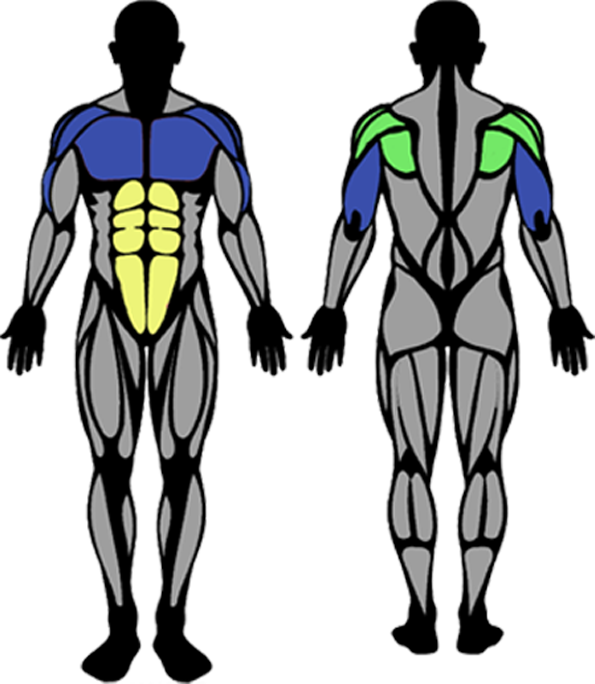
Primary Muscles:
Pectoralis major (chest muscles)
Triceps brachii (back of the arms)
Anterior deltoids (front of the shoulders)
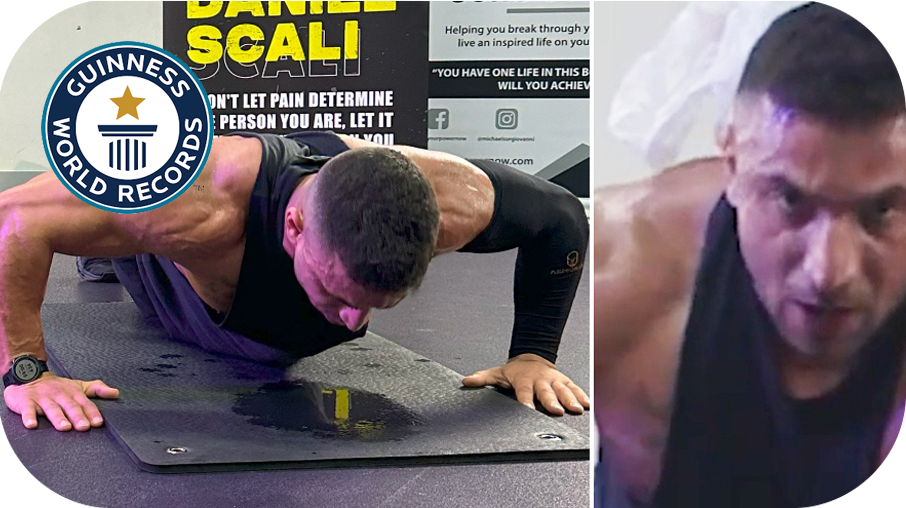
3378
Most Push Ups in 1 Hour
The Guinness World Record for the most consecutive push-ups in one hour is held by Pop Laurentiu, who completed 3,378 push-ups on June 30, 2023 in London, UK.

Pop Culture
- Rocky Series: Sylvester Stallone’s Rocky training montages often feature push-ups, symbolizing grit and dedication. The one-arm push-ups in Rocky II became iconic.
- G.I. Jane (1997): Demi Moore’s character, Jordan O’Neil, performs grueling push-ups as part of her Navy SEAL training, showcasing mental toughness and physical endurance.
- Captain America: The First Avenger (2011): Chris Evans’ Steve Rogers is seen doing push-ups during military training, emphasizing his commitment even before becoming a super-soldier.
Other Push Up Benchmarks
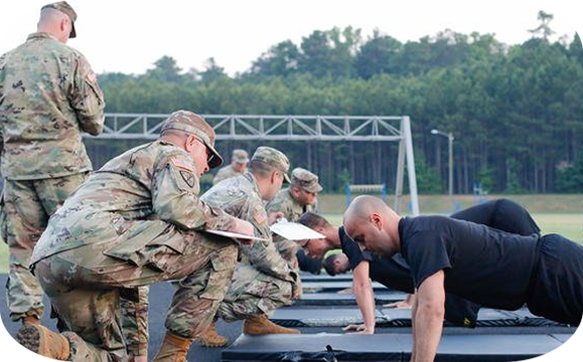
Military fitness tests (Army, Navy, Marine Corps)
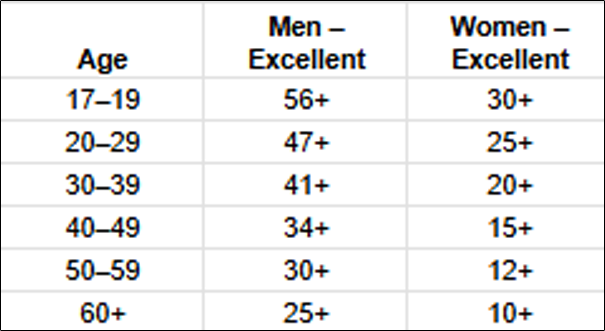
Cooper Institute Norms (1-Minute Push-Ups) Used in police/fire recruitment and fitness screening
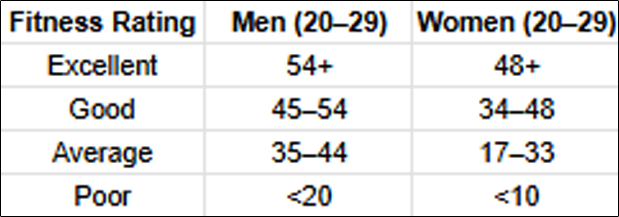
Presidential Fitness Test (Retired but Popular in Schools)
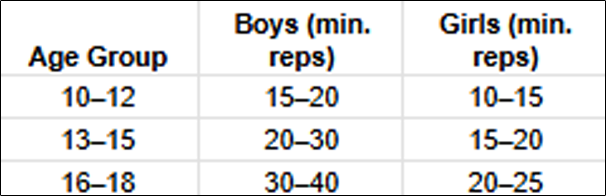
Fitnesstesting.com Pushup Standards
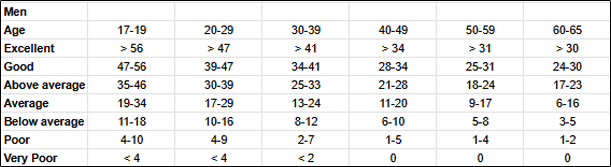
Fitnesstesting.com Pushup Standards
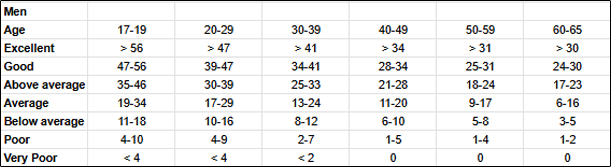
Topendsports.com Pushup Standards
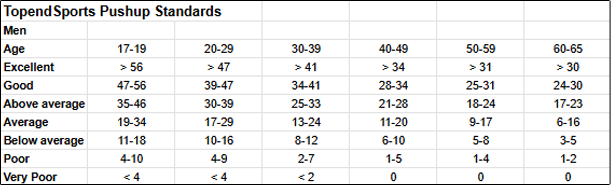
Topendsports.com Pushup Standards
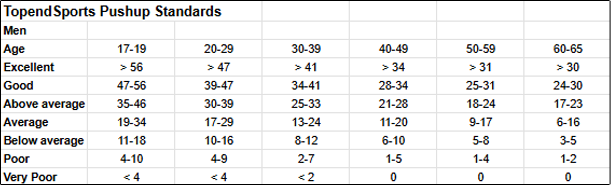
Topendsports.com Pushup Standards
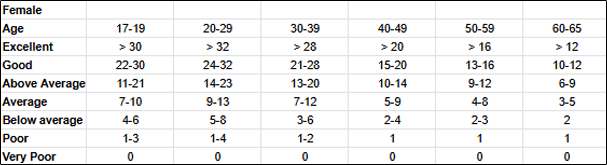
Strengthlevel.com Pushup Standards
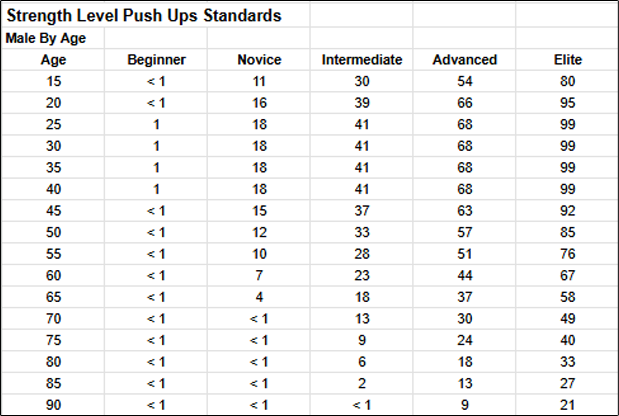
Strengthlevel.com Pushup Standards
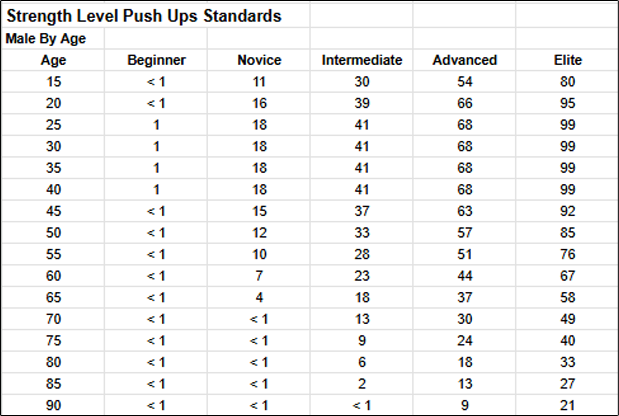
Strengthlevel.com Pushup Standards
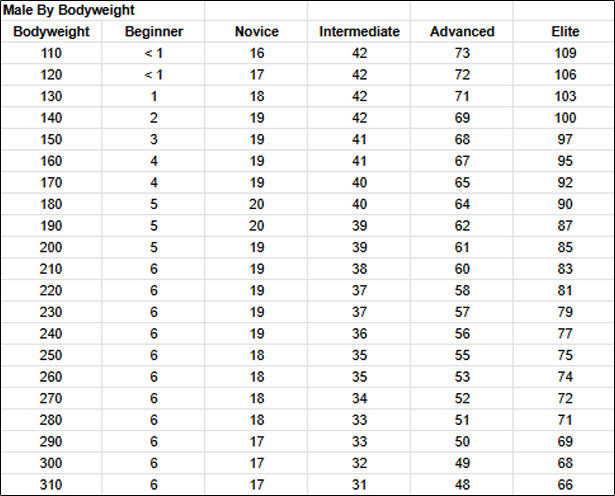
Strengthlevel.com Pushup Standards
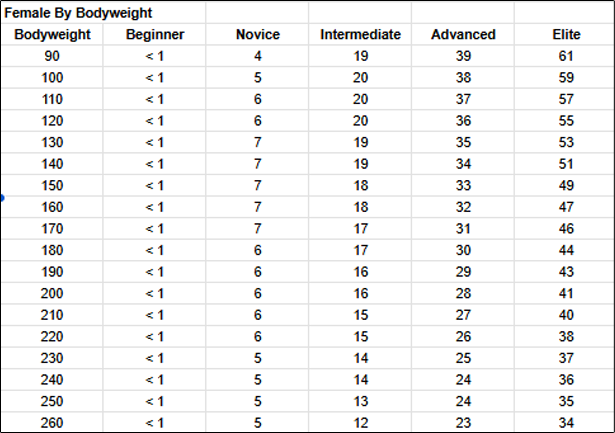

Global Fast Fit Push Up Challenge | Battle for East Africa
Most Consecutive Push Ups | Uganda Vs. Kenya
The 2024 Battle for East Africa showcased some of the strongest athletes from Uganda and Kenya, uniting competitors in a high-energy test of endurance and strength. Participants went head-to-head for the prize pool, competing both individually and in dynamic teams of two, to prove who could achieve the most consecutive push-ups and claim regional bragging rights.

Male Winner
Newton Liataba
249 reps
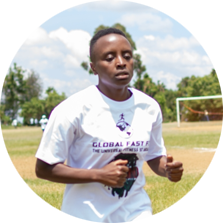
Female Winner
Janet Kyalo
62 reps
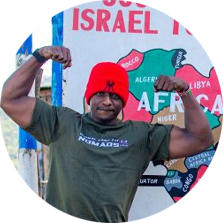
Pairs Winner
Millicent Rotich / Simon Ndungu
205 reps
Kelvin Kairu
-GFF Ambassador and Nomad
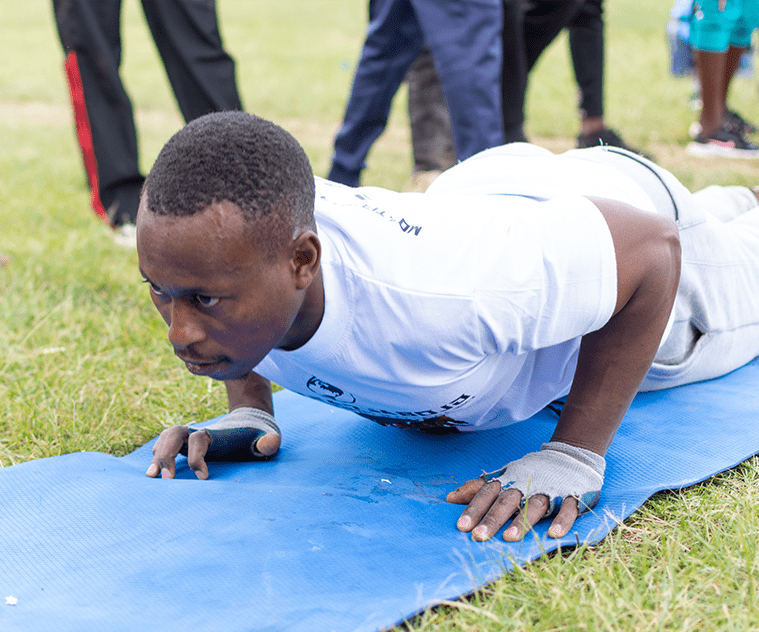
GFF Standardized Push Up Format
- Start in a plank position, while keeping your body straight from your shoulders to your ankles.
- Lower yourself so your elbows make at least 90 degree angle.
- Raise yourself to starting position (arms extended).
- Repeat.
Training Methods
Whether you're new to fitness or a seasoned athlete, push-ups are one of the most effective and adaptable bodyweight exercises for building upper-body strength, core stability, and muscular endurance. The key to progress lies in using the right training methods for your current ability level. With proper form, consistency, and progression strategies, anyone can improve their push-up performance—regardless of age or experience.
.png)
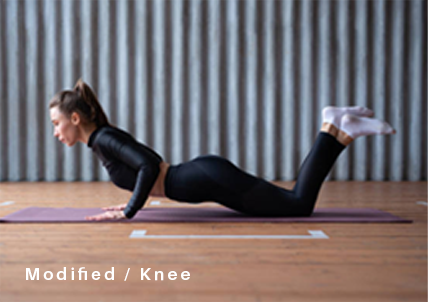
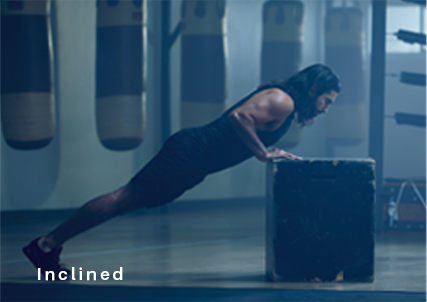
"One thing we've learned from training and testing around the world is that women are really challenged with upper body strength, and most can't do any pushups. This is simply because they don't focus on this area in training; they will improve rapidly if they start by doing modified or incline pushups and gradually build up to standard pushups."
— John F. Groom, Founder, Global Fast Fit.
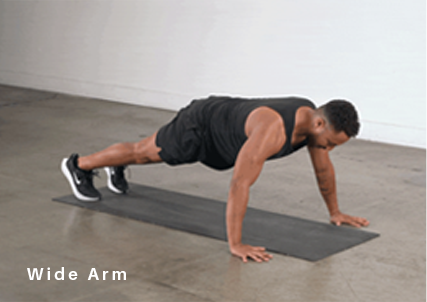
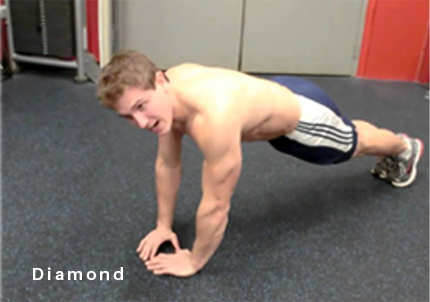
Common Types of Push Ups
Studies
Login to Comment